2026-11-28 ·
How to Tell if You Have a Slab Leak in Your Houston Home
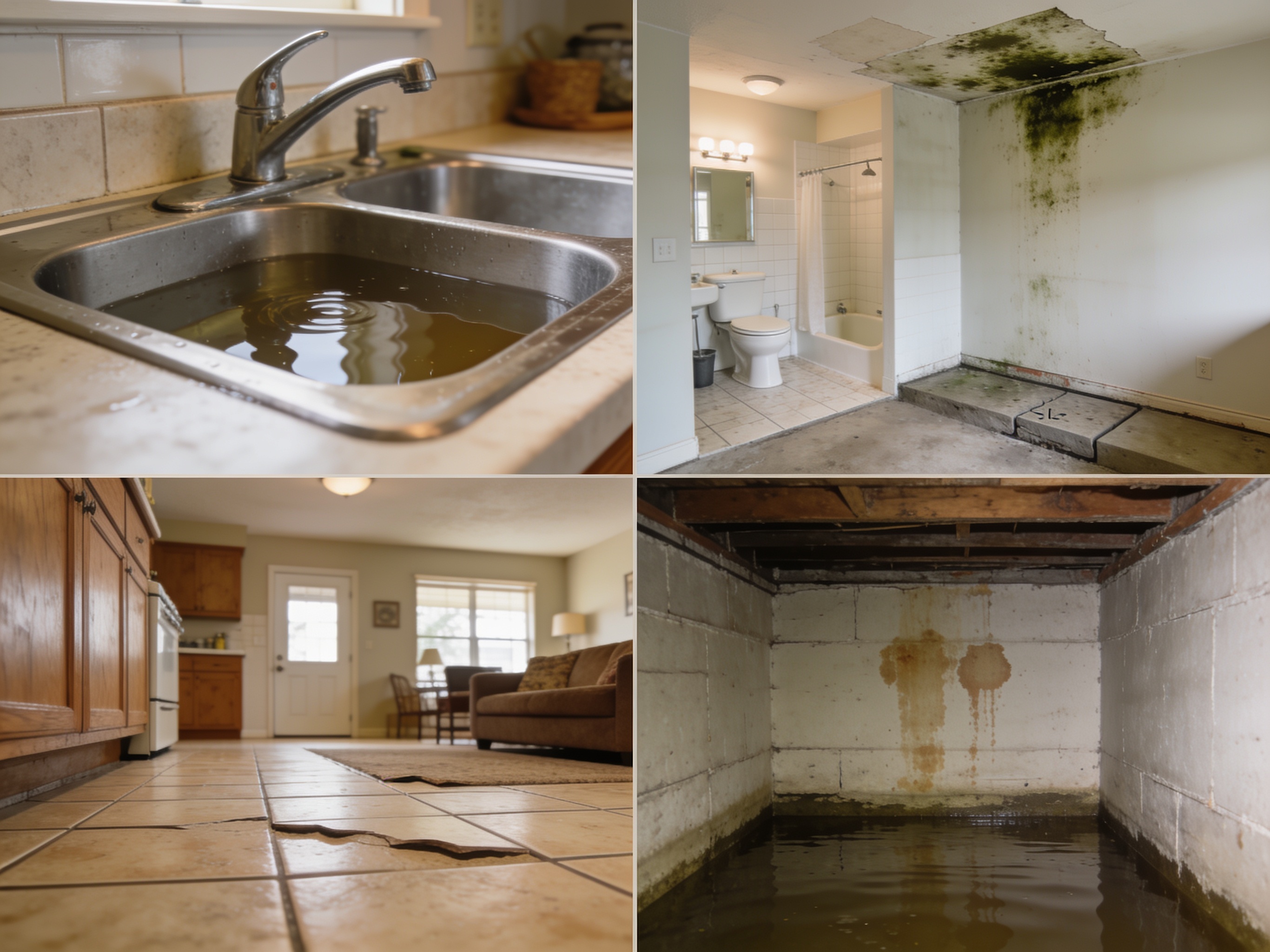
You can usually tell you have a slab leak when your water meter keeps moving with every fixture turned off, your water bill climbs without a change in household habits, or you notice warm, soft, or damp spots on the floor. A slab leak is a break in the pressurized supply line that runs under your concrete foundation, so the water often stays hidden until it has been escaping for weeks or months. Catching those early signs keeps the repair smaller and protects the flooring above.
Signs That Point to a Hidden Slab Leak
The most reliable early clue is a meter test. Turn off every faucet, icemaker, dishwasher, and irrigation zone, then read the meter at the curb or inside the box. If the small leak indicator still spins or the dial still moves, water is flowing somewhere in the system. Pair that with your monthly bill, because a steady rise without new habits often means the leak has been running longer than you think.
Physical symptoms follow. Look for:
- Warm or hot spots on tile or wood flooring, especially in one room
- Damp carpet, a musty smell, or cupped vinyl plank near a wall
- Cracks in drywall or baseboards that appear after a wet season
- Water pressure that drops suddenly at showers or sinks
- Hairline cracks in slab edges or a patch of greener grass that never dries out
How Detection Works in Houston Homes
A good detection visit starts with the meter test and a review of where the leak is likely to be, then moves to tools that locate the break without tearing up the whole house. Acoustic listening devices pick up the hiss of pressurized water through concrete, and thermal imaging can reveal a warm line under flooring. Pressure testing isolates sections of the supply system so the team can confirm which branch is losing water.
Houston's housing stock makes this work distinct. Many homes in Montrose, the Heights, and Midtown were built on slab foundations decades ago, and some of those older lines use galvanized or copper that has aged in clay soil. In River Oaks and Downtown lofts, the layout can route supply lines beneath kitchens and bathrooms in tight runs. Detection is less about finding one leak and more about proving which segment is responsible, so the repair stays targeted.
Learn how our slab leak repair service handles these situations once detection confirms the break.
Why Houston Conditions Make Slab Leaks Harder to Spot
Houston's subtropical climate brings hot, humid summers and mild winters, and that rhythm affects the slab. Clay-heavy soils in Harris County swell after heavy rain and shrink during long dry spells, which can shift the foundation and stress the pipes beneath it. A leak that starts during a wet spring may not show damp floors until the soil dries and the slab settles. Homes in Katy, Sugar Land, and Pearland share this clay and see similar patterns.
Humidity also hides symptoms. A damp subfloor in July can smell like ordinary summer moisture, and the swelling of wood trim is easy to attribute to weather. That is why the meter test matters more here than in drier regions. If you suspect a leak after a big storm, review the guidance in our article on protecting your foundation after Houston's heavy rains and clay soil, which explains how soil movement sets up leaks.
What to Do If You Suspect a Slab Leak
Start with the meter test and write down the reading, the time, and the dates when you ran water. Take photos of any cracked tile, stained baseboards, or warm patches. Avoid digging or drilling into the slab yourself, because a wrong guess can damage the supply line or the foundation. Shut off the main valve if you see active water pooling or hear water running with everything off.
If the signs point toward the foundation, a leak detection visit is the right next step. Our water leak detection service focuses on locating the break precisely so the repair scope stays as small as possible. Contact us through our site to describe what you have observed, including the meter reading and the rooms affected. We are based at 2505 Wilcrest Dr #300, Houston, TX 77042, so Houston-area homeowners can reach us directly for guidance on next steps.
Recognizing a slab leak early is mostly about paying attention to small changes: a meter that will not stop, a bill that keeps climbing, a floor that feels warm, or a wall that suddenly cracks after a rain. Each sign on its own can have other causes, but several together usually justify a closer look. Acting quickly limits water damage, mold growth in Houston's humid climate, and the chance that the foundation shifts further while the line is still leaking.